
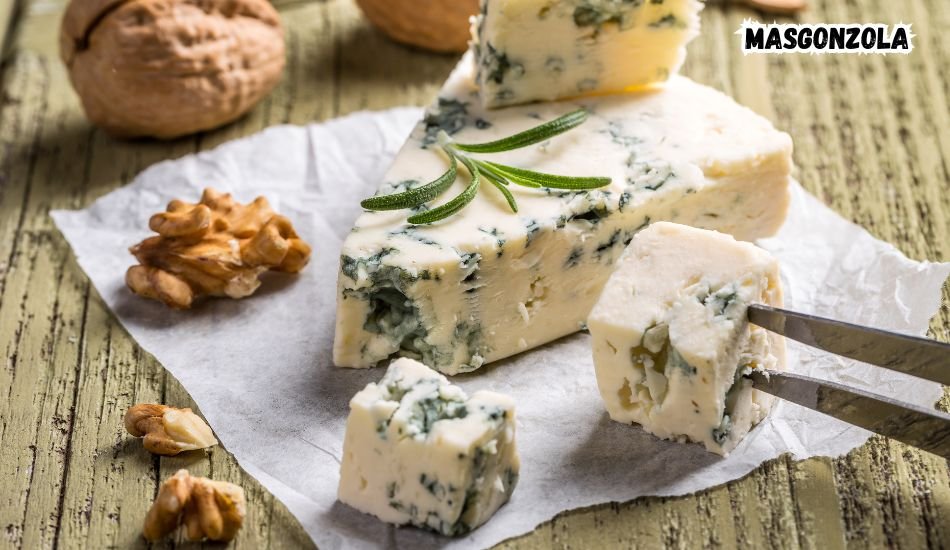
Masgonzola is a semi-soft Italian cheese that originated in the Lombardy region, where traditions meet current culinary ingenuity. With its long history and distinct flavor, this exceptional product captivates both lovers and aficionados. Its creamy smoothness, along with a powerful tang and mild blue balance, provides each bite a true gourmet experience. Whether you’re a newbie or a seasoned taster, Masgonzola’s appeal stems from its roots and evolution through local artisan production and innovation. It’s a guide to Italy’s finest cheese, giving both health benefits and flavor profiles that continue to amaze the palette.
Discovering Masgonzola, a Unique Italian Cheese
When I first tried Masgonzola, I was struck by how it combines the best of both worlds: the rich creaminess of Mascarpone and the bold blue-veined character of Gorgonzola. This hybrid Italian cheese has a rich but pleasant flavor that blends sweetness and sharpness without ever becoming overbearing. Its refined texture provides a luscious, buttery taste on the palate, while the subtle tang makes each bite alive and unforgettable. Unlike many conventional blue cheeses, Masgonzola maintains the ideal balance between extremes, providing cheese enthusiasts with both depth and refinement in a single taste.
I enjoy using Masgonzola in a variety of meals since it is both elegant and adaptable. It goes well with fruits and nuts on a cheese board, and it melts into a creamy richness in pastas or risotto, enhancing every taste. Spread on toasted bread or combined into a luscious sauce, this traditional yet modern cheese adds refined, rich flavor to any meal. Masgonzola, whether used in spreads, meals, or simply savored on its own, takes you on a memorable journey via the contrasts of sweetness, sharpness, and buttery texture that make it absolutely unique.
Read More: Dihward: The Game-Changing Tool You Need!
Origins and History of Masgonzola
Masgonzola originated in northern Italy, a region noted for its rich cheesemaking tradition and continual innovation. In the Lombardy region, surrounded by lakes, mountains, and lush pastures, artisan cheesemakers experimented with traditional techniques passed down through centuries. Their conception was motivated by the aim to make a softer, more adaptable version of traditional blue cheese. Historians think that when these Italian producers combined the creamy essence of Mascarpone (Mas) with the strong flavor of Gorgonzola (Gonzola), they unintentionally created this wonderful mix.
As a result, Masgonzola became a flawless blend of flavors, a true fusion of dairy traditions from all around Europe. Specialty dairies began perfecting the recipe, employing the best milk, blue mold cultures, and careful aging to obtain its distinctive marbling and smoothness. Growing up near an old dairy farm, I recall seeing farmers put their heart and soul into every batch—a representation of the dedication, quality, and love for the land and people that define Italian culinary tradition. Over ages, this beloved cheese has become a family staple in both local and international households, renowned for its rich flavors, agricultural background, and genuine ingredients.
The Craft of Masgonzola’s Creation
Making Masgonzola is a true art form that requires precision, patience, and devotion. It starts with a blend of two beloved cheeses: Mascarpone and Gorgonzola. The base is made with fresh cow’s milk and cream, which are gently heated with a touch of citric acid or lemon juice to get a smooth, velvety, and buttery consistency. This creates a light and sweet component that pairs perfectly with Gorgonzola’s striking blue. When these layers of richness and subtle flavors come together, they form a true blend of creamy charm and robust character.
In my experience with newly aged Masgonzola, the transition is remarkable. Under humid conditions, whole milk infused with Penicillium roqueforti mold and cultures forms delicate blue-green veins, allowing the tastes to merge and the texture to stabilize. Over weeks or even months of maturing, its distinct look, aroma, and intensity deepen — younger versions are gentler, creamier, and older versions are stronger, firmer, with sour, earthy overtones and gorgeous marbling. This combined harmony exemplifies why Masgonzola is still one of the most sophisticated and naturally balanced cheeses ever created.
The Traditional Art of Making Masgonzola
Making Masgonzola is a labor of love that embodies the essence of Italian workmanship. It all starts with high-quality cow’s milk taken from Lombardy’s lush meadows, where the air and soil give the milk a deep flavor. This milk is gently boiled before adding rennet to start the curd forming process. As the curds form, they are sliced into little pieces to allow the whey to separate, resulting in a smooth cheese texture. During my own visit to a local creamery, I recall witnessing artists gently stir and heat the mixture until it achieved the perfect consistency—a delicate balance that only experience can provide.
Once molded, the curds are pressed and salted, which not only adds flavor but also serves as a preservative. The cheese wheels are then stored in cold caves with ideal humidity levels to allow natural molds and rinds to form. This aging process can span months, and profound tastes develop over time, transforming simple items into something absolutely amazing. The meticulous design of each wheel ensures that every mouthful of Masgonzola captures the essence of history and passion passed down through centuries.
The irresistible taste and feel of Masgonzola
Masgonzola is more than simply food for serious cheese enthusiasts; it’s an experience that sticks with you long after you’ve finished your first bite. Its unusual flavor profile is a delectable combination of creamy richness and tangy sharpness, resulting in a balance that feels both decadent and sophisticated. Each slice embodies the quality, craftsmanship, and tradition of its creation. As someone who has frequently coupled it with fresh fruit and wine, I’ve noticed that the taste intensifies as it melts gently in the mouth, exposing subtle overtones of earthiness and deeper tastes that leave you wanting more.
Masgonzola’s texture is genuinely remarkable—velvety smooth yet somewhat crumbly, a unique mix that improves any meal, recipe, or table. The blue veins flowing through it give not just visual appeal but also a touch of elegance and sophistication to the dining table. When you eat it, you can nearly sense the history of generations who honed this cheese’s flavor. Every bite captures harmony, from the first creamy touch to the last earthy residue, paying homage to history and the art of taste itself.
How to Enjoy Masgonzola in Everyday Meals.
One thing I’ve discovered about Masgonzola is its extraordinary adaptability—it works well as both a quick snack and a haute cuisine masterpiece. When I spread it on crusty toast or artisan crackers, it elevates an otherwise plain appetizer. I enjoy spreading honey or fig jam over this cheese since the sweetness complements the sharpness. Sometimes I melt a tablespoon into pasta or risotto, resulting in a velvety, rich sauce that clings to each bite. When combined with mushrooms, spinach, or roasted garlic, it transforms into a restaurant-quality dish that feels both comforting and decadent.
For lighter dinners, I frequently sprinkle Masgonzola over fresh greens or a fruit-based salad with pears, apples, and walnuts, then drizzle with balsamic glaze for a gourmet finish. When I want to dazzle, I serve it in a cream and butter sauce with steak, grilled vegetables, or chicken, giving the dish a creamy texture and tangy bite. On a cheese board, Masgonzola’s color and refinement stand out with grapes, figs, cured meats, and bread, making each tasting experience special.
Pairing Ideas for Masgonzola
Masgonzola is one of the most adaptable cheeses available, as I’ve discovered through my years of experimentation in the kitchen. Its rich, creamy texture makes it enjoyable to experiment with both sweet and savory flavors. When I first tried it with figs and pears, I was amazed at how well the gentle sweetness matched the sour undertones. A sprinkling of honey enhanced the experience, resulting in a wonderful harmony that was almost dessert-like.
For those who like savory pairings, try Masgonzola with cured meats like prosciutto or salami. The saltiness delightfully contrasts with its creaminess, and when paired with a powerful red wine like Chianti or Barbera, the acidity accentuates the cheese’s richness superbly. I also like to mix little slices into salads with almonds and a drizzle of balsamic vinaigrette—the flavor and bite are unparalleled. Among all pairings, these are my faves, each displaying a distinct aspect of Masgonzola’s profile in the most delicious ways.
How to Incorporate Masgonzola Into Everyday Cooking
When I first tried Masgonzola, I was impressed by its rich flavor and creamy texture, which could elevate even the most basic foods. For a fresh salad, crumble it over crisp greens with walnuts and pears — the cheese’s richness complements the fruit’s sweetness well. It shines in warm dishes, particularly when mixed with pasta sauce. A velvety cream foundation enriched with this cheese makes a delectable covering for fettuccine or gnocchi, elevating a simple meal to something spectacular.
Masgonzola is also commonly used on pizzas and in savory pastries. Because of its soft melting character, it complements gourmet toppings such as figs, prosciutto, and arugula. To add a twist, I fold it into pastry fillings with spinach and mushrooms, or bake it into quiches and hand pies. When hosting, I make dips with Greek yogurt, herbs, and a dash of sour zest, which are ideal for crackers or vegetables. Whatever the occasion, Masgonzola always adds warmth and elegance to the table.
Innovative Applications of Masgonzola in Modern Cuisine
As a cheese fan, I’ve discovered that Masgonzola is more than simply a cheese; it’s a versatile component that can transform classic meals into unforgettable experiences. Its creamy texture and powerful flavor add depth and richness to contemporary food, encouraging chefs to experiment with fusion flavors that surprise the tongue. Consider a gourmet pizza topped with figs, prosciutto, and chunks of melted Masgonzola—the combination of sweetness, salty meats, and savory undertones ensures a memorable bite each time.
Even simple pasta recipes, such as fettuccine Alfredo or sautéed garlic spinach spaghetti, become irresistibly exquisite when paired with this cheese. Crumbled Masgonzola works well in salads with roasted beets or pears, complimenting the earthiness of the vegetables with its rich tone. Some current sweets even include Masgonzola-infused cheesecakes, which provide a surprising twist that balances sweetness and savory complexity—proving that this cheese is more than just a topping.
Read More: SilkTest.org Peter Hollingsworth Contact And Expert Guidance.
Why Masgonzola Elevates Every Gathering
When I bring out Masgonzola during a gathering, it quickly becomes the star of the show. Its rich, creamy texture provides both comfort and class, making it a versatile cheese that excels in both simple snacks and complex entrees. On a charcuterie board, it goes well with fruits such as figs and pears, whose sweetness balances the cheese’s unique flavor. Even when melted into sauces or mixed into pasta preparations, it adds a delicious depth of flavor that keeps everyone wanting more.
Masgonzola always sparks conversation and leaves a lasting impact on guests’ palates, whether at a private dinner, spectacular party, or informal get-together. I’ve seen how a sprinkling of it scattered over greens in salads offers the unexpected tang that people recall. Whether served as part of a culinary masterpiece or savored in daily dishes, this cheese makes every occasion feel elevated and beautifully memorable.
FAQs
What is Masgonzola cheese?
Masgonzola is an Italian cheese that combines creamy mascarpone and blue cheese, resulting in rich and strong flavors.
Where did Masgonzola originate?
It comes from the Lombardy area of Italy and is made using traditional cheese-making techniques.
How should I enjoy Masgonzola?
It pairs well with bread, fruit, wine, pasta, and charcuterie boards for both classic and modern recipes.
What makes Masgonzola unique?
Its texture, flavor balance, and complexity exemplify workmanship, legacy, and culinary innovation.
Can chefs use Masgonzola in current recipes?
Yes, chefs around the world use Masgonzola to create sophisticated meals while staying true to Italian tradition.
Final Thoughts
Every bite of Masgonzola is like entering the heart of Italian culture, a journey defined by craftsmanship, tradition, and limitless inventiveness. This cheese, made in the Lombardy region, combines the richness of mascarpone with the complexity of blue cheeses, resulting in a balanced yet powerful flavor profile that tells its own tale. The cheese-making legacy spans decades, with professional cheesemakers innovating while maintaining traditional production processes. Whether served with bread, pasta, fruit, or wine, its creamy, refined texture improves both traditional and contemporary cuisines. From charcuterie boards to creative recipes, it represents authenticity, quality, and versatility—the pinnacle of culinary heritage and gastronomic intelligence. Masgonzola continues to gain global reputation as chefs throughout the world recreate its flavor through modern pairings, demonstrating that great Italian invention is more than simply food; it is art for the spirit.

