
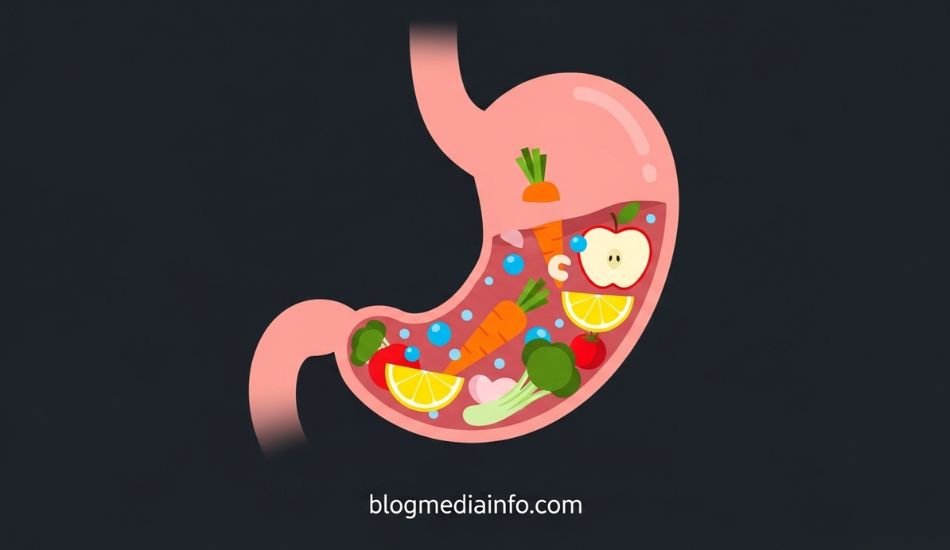
Bikimsum is a popular and flavorful dish known for its rich tastes and variety of ingredients, but many wonder, Why does bikimsum take long to digest? The answer lies in its fiber, fats, and proteins, which slow down the digestive process. These ingredients make bikimsum take longer to digest.
In this article, we will explore how the preparation methods and eating habits contribute to the extended digestion time of bikimsum, and offer practical tips to enhance your digestive experience while enjoying this delightful dish.
Why Does Bikimsum Take Long to Digest?
Bikimsum takes longer to digest because of its fiber content, especially from vegetables like cabbage and greens. The complexity of ingredients and large portions can also slow down digestion. Fast eating can strain the digestive system, leading to delays in the process.
Role of Fiber in Digestion
The high fiber in bikimsum, especially from fiber rich vegetables like cabbage and other greens, slows digestion. These vegetables increase the bulk of food passing through the digestive tract, leading to gradual release of nutrients, which significantly extends the time it takes to digest.
Ingredient Complexity and Digestion
The complexity of ingredients in bikimsum plays a crucial role in its slow digestion. Mixing proteins like shrimp or pork with vegetables creates a dish that requires more time to break down. The different nutritional profiles, textures, and flavors of the ingredients introduce challenges, demanding more effort from the digestive system, which ultimately prolongs the digestion process.
Portion Size and Eating Habits
Portion sizes and eating habits contribute to how long bikimsum takes to digest. Large servings can strain the digestive system, causing delays in the digestion process. Additionally, fast eating habits can lead to swallowed air and incomplete chewing, which hinder efficient digestion and further delays the process.
Also, Read More: About Kiolopobgofit: Transform Your Wellness Journey Today
What Is Bikimsum?
Bikimsum is a beloved dish known for its rich and savory flavors. It’s a delightful treat that many food enthusiasts enjoy, thanks to its combination of ingredients wrapped in delicate dumplings. These dumplings are filled with a variety of rich ingredients such as vegetables, meats, and seafood, creating a burst of flavor with every bite.
Bikimsum represents a unique culinary experience, combining the essence of Asian culinary traditions with modern variations. However, many wonder, Why does bikimsum take long to digest? The answer lies in its rich composition, which includes ingredients that slow down the digestive process.
The preparation of bikimsum often involves steaming or frying, methods that enhance its textures but also contribute to its slower digestion time. What makes bikimsum particularly appealing is the soft texture of its wrappers, which are often translucent.
It’s typically served with dipping sauces, adding to its versatility and ability to cater to different dietary preferences. This dish is a staple in many Asian cuisines and offers a comforting, satisfying eating experience. The broth that sometimes accompanies it is an integral part of the dish, enhancing its flavors and making it a treat that captivates the palate.
How Each Ingredient Supports Your Digestive System
Bikimsum is a beloved dish known for its rich, savory flavors. Its combination of ingredients like meats, vegetables, and tofu creates a delightful taste, but also contributes to its lengthy digestive experience. Many wonder, Why does bikimsum take long to digest?
The answer lies in its protein, which helps with muscle repair, and fiber from vegetables that support a healthy gut. Additionally, carbohydrates in dumpling wrappers and fats from cooking oils add density, slowing down digestion and making bikimsum a labor-intensive dish to digest.
Factors That Slow Down Bibimbap Digestion
Bikimsum is a rich dish, and its composition contributes to its slow digestion. There are several factors involved in this process, especially the high fiber content in the ingredients.
The presence of fat and protein also plays a significant role in slowing down the digestive process. These components work together, making bikimsum a hearty and filling dish, but one that takes longer to break down in the body.
From Mouth to Gut: How Bibimbap Gets Digested
The digestion of bikimsum involves several stages that can affect how long it takes for the body to process the meal. Many people ask, Why does bikimsum take long to digest? The process starts when the stomach breaks down its ingredients into simpler components.
The first step is the mechanical action of chewing, which mixes the bikimsum with saliva. Saliva contains enzymes that help break down the carbohydrates in the starch rich wrappers.
Once the food is chewed, it travels to the stomach, where gastric acids further decompose the filling, which is often high in fats and proteins. The intricate composition of bikimsum requires the body to take more time to break it down properly, involving different systems to process the food efficiently.
Understanding how the body handles this dish provides insight into why it takes longer to digest compared to simpler meals.
Impact of Preparation Methods
The preparation methods used to cook bikimsum can significantly affect how long it takes to digest. Different cooking techniques influence the overall composition and texture of the dish, which can impact the digestion time. For example, if bikimsum is steamed, it may have a lighter texture.
while frying may make it denser, leading to a slower digestive process. The way bikimsum is prepared plays a key role in determining how quickly the body can break it down.
Benefits of Slow Digestion
The high fiber nature of bikimsum helps promote satiety, preventing overeating, and aids in nutrient absorption during the extended digestion process. The fiber also helps regulate blood sugar levels, leading to improved overall health.
Additionally, the naturally occurring enzymes found in spices enhance digestive health, promoting a well-functioning gastrointestinal tract, which supports the body in breaking down bikimsum more efficiently over time.
Drawbacks of Slow Digestion
While slow digestion offers some benefits, it can also cause discomforts like fullness, bloating, and gastric emptying delays. These discomforts may include acid reflux or heartburn, especially for those sensitive to rich foods. Gas and other digestive discomforts can occur, making it difficult to engage in regular activities.
Eating bikimsum too quickly can exacerbate these issues, straining the already burdened digestive system. Being aware of these discomforts can help make more mindful eating choices.
Tips for Faster Digestion
To improve digestion after enjoying bikimsum, follow these two tips:
Healthy Eating Practices
Opt for smaller portions to ease the digestive burden and allow for thorough chewing, which aids enzymatic action. Eating slowly helps prevent sluggishness, and balancing meals with lighter foods supports faster digestion. Stay hydrated during and after meals to lubricate the digestive tract.
Engage in regular physical activity to stimulate digestive processes and encourage smoother movement through the gastrointestinal system. Also, try to avoid late night snacks to prevent extended digestion periods.
Effective Food Pairings
Pairing bikimsum with ginger or mint can soothe the digestive system and help ease discomfort. Mint promotes bile production, aiding in fat breakdown, while adding fibrous vegetables provides extra digestive support and promotes regularity.
Foods like vinegar based salads can stimulate digestive enzymes, and including probiotics in your diet through yogurt or kefir helps maintain a healthy gut flora, promoting better digestion overall.
Key Insights on Bikimsum Digestion
Bikimsum is a delicious and flavorful dish, but its rich composition, along with high fiber, fats, and proteins, can make it take longer to digest. Many people wonder, Why does bikimsum take long to digest? The answer lies in these ingredients, which slow down the digestive process. By being mindful of eating habits, such as having smaller portions and chewing thoroughly.
Pairing bikimsum with digestive friendly foods like ginger, mint, and fibrous vegetables, you can help optimize digestion and reduce discomfort. While slow digestion has benefits like better nutrient absorption, it’s important to be aware of potential discomforts such as bloating or fullness. With the right habits and pairings, you can enjoy bikimsum while supporting your digestive health.
Common Digestion Questions About Bikimsum
What causes bikimsum to take longer to digest?
Bikimsum takes longer to digest due to its rich composition, including high fiber, fats, and proteins that slow down the digestive process. These ingredients take more time to break down.
How do preparation methods influence digestion?
The way bikimsum is prepared, whether steamed or fried, affects its texture. Fried bikimsum tends to be denser, which slows digestion, while steamed bikimsum has a lighter texture that may digest faster.
How does fiber impact bikimsum digestion?
Fiber from ingredients like cabbage and greens slows down digestion. It increases the bulk of food in the digestive tract, leading to a gradual release of nutrients, which extends digestion time.
Also, Read More: WutawHelp Useful Advice: Secrets to Simplify Your Life!
Can eating bikimsum too quickly cause digestive problems?
Yes, fast eating can cause swallowed air and incomplete chewing, both of which can strain the digestive system and delay the digestion of bikimsum, making it harder to digest effectively.
What are the benefits of slow digestion after eating bikimsum?
Slow digestion allows the body to absorb more nutrients like vitamins and minerals, and helps with satiety, preventing overeating. The fiber in bikimsum also contributes to overall health by supporting digestion.

